
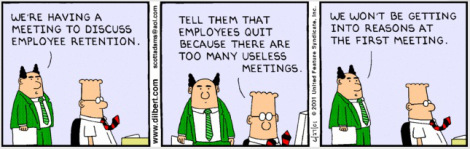
When meetings take up most of your day, there’s something you should seriously review to ensure you get enough productive days out of your workweek. Also let’s be frank, some of the meetings you’re running or attending are probably not very good and feel like a waste of time.
Establishing meeting ground rules early on will create a framework for how your team functions.
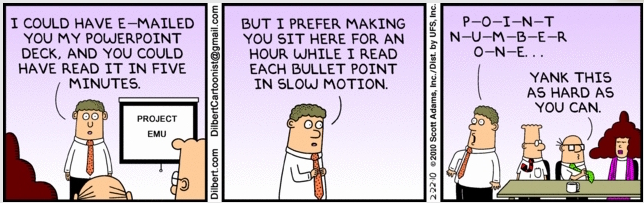
Some best practices on how to run an effective meeting:
Make your objective clear. A meeting must have a specific and defined purpose. It personally bogs me down a fair bit when I receive a meeting invitation with no agenda out of the blue. Before you send the meeting request ask yourself what you’re trying to accomplish.
Don’t have standing meetings with vague agenda’s, they are rarely a good use of time and often end up being cancelled. Meetings should be a productive use of someone’s time and it should be clear in your meeting invitation.
Consider carefully who needs to be in the meeting. Make sure the people attend can add value to the conversation or are needed for information or to make a decision. If the topics discussed are not relevant to them or they lack the skills to add value or be of help, they’ll be quickly disengaged and see the meeting a waste of their time.
Prepare your agenda, and share it with your audience. It will help to keep them and you focused and really know what you want to get out of this meeting. Get a facilitator to help you run the meeting, if you’re worried that it might get derailed and conclude in no decision, if that’s your desired outcome.
Manage the “Ramblers”. People who talk more than their fair share can derail a meeting very quickly. It’s ok to call them out and say something like “we appreciate what you say, but let’s hear what the others think (or have to say)”.
Start and end on time, people will appreciate when you value their time.
Follow-up after meetings – send your .ppt, meeting notes, summarize your action items, deadlines, highlight accomplishments, all within 24h after the meeting. This will ensure that everyone is on the same page.
Be clear who owns the decision, and let meeting attendees know. or meetings that have the objective to come to a decision, make sure you and the attendees are clear on who makes the final call. Majority vote, consensus, a single person soliciting feedback and making a decision? Invite only those who are opinion leaders/decision makers to the meeting and make clear that the objective of the meeting you call is to come to a decision.
Make sure everybody gets the decisions that have been made. The decision the meeting attendees are trying to make should be clear to everyone and follow-up after the decision has been made.
If you’re driving towards a decision, keep the group focused by using the PAPR method:
P – Parking lot. You’ve probably been in meetings where the leader or facilitator used a “parking lot.” This is a place to record new ideas and discussion items that are off-topic.
– A – Affirm. Acknowledge the value of the idea. E.g: “Mike, your idea does sound like it can improve efficiency.”
– P – Park it. E.g.: “I also recognize we have 15 minutes let to make the decision in front of us. Joe, will you please record Bob’s efficiency idea in the parking lot.”
– R – Refocus. E.g.: “We have 15 minutes left. What other input do you have for the decision in front of us?”
Come to an agreement: Effective meetings produce a team agreement that spells out: WHO does WHAT by WHEN, and HOW the team will KNOW the responsibility has been fulfilled. This ensures accountability.
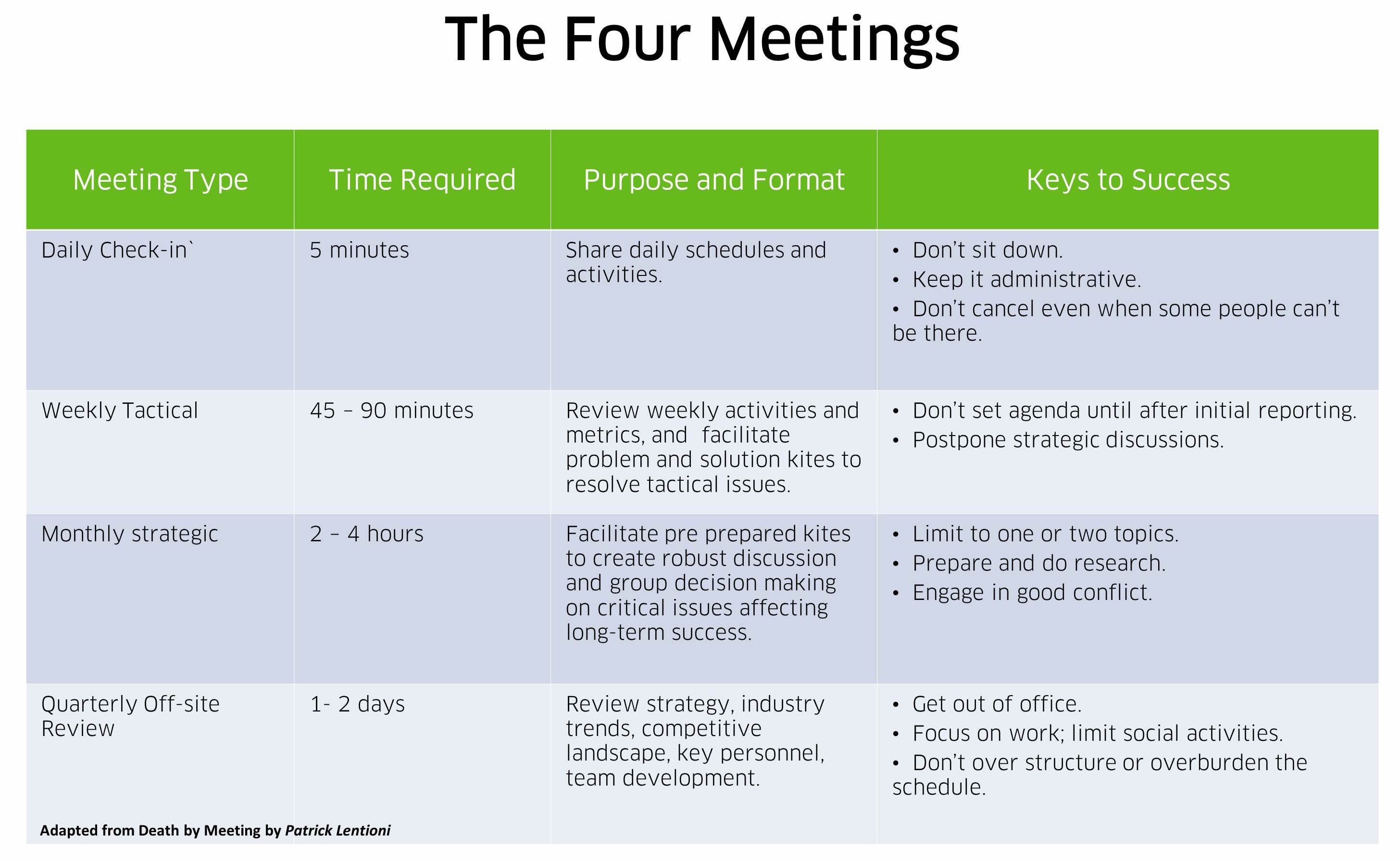
Some best practices on how to manage your “calendar”
- Avoid having meetings outside of your office core hours and over your lunch hour, unless its absolutely essential and not avoidable. There are multiple reasons for this. People won’t pay full attention if they are already in the mood to go home or are not fully awake yet if the meeting is too early. Also try to have your “tougher” conversations earlier in the morning, Who wants to have a budget conversation at 5pm?
- Try to avoid sacrificing your “me-time” for meetings, by getting into the habit of working through your lunch to accommodate meetings. Do this only if you absolutely have to. You can’t always be “on”, you need some time for yourself to recharge your batteries – go outside, have a walk and some sunlight, go to the gym, have lunch with colleagues.
1. When you receive a meeting invitation that's missing desired information, click the "tentative" button.
2. Next, get in touch with the meeting proposer. Tell the proposer that you're very excited to support his or her work, ask about the goal of the meeting, and find out if (and how) you can be of help in achieving that goal.


Leave a comment